


Pulse was Apelon’s quarterly newsletter which provides information on terminology and data interoperability. Pulse is our response to requests for updates on Apelon’s projects and products.
In each issue of Pulse we describe how various organizations are approaching their terminology challenges in the Consultants’ Corner section. The Product Forum section of the newsletter provides information and updates regarding Apelon products.

Apelon Announces the Release of DTS 4.9
Apelon Announces the Release of DTS 4.9
A practical look at what is changing in DTS 4.9 - from supported platforms and the Windows JRE to dependency updates, Editor refinements, and resolved issues.
Terminology infrastructure has to do two things well: remain dependable for established workflows and keep pace with the technology underneath it. DTS 4.9 is focused on that balance.
Apelon is pleased to announce the release of DTS 4.9, the latest version of our Distributed Terminology System. Rather than changing the core DTS 4 experience, this release modernizes supported deployment environments, refreshes key runtime and third-party components, improves several day-to-day Editor behaviors, and resolves issues across DTS Browser, TQL, Import Wizard, Excel Wizard, Concept Walker, and other components.
The DTS 4.9 Release Notes identify this release for updating production and mission-critical DTS systems. For organizations planning an upgrade, the changes are primarily about keeping the platform current and supportable without disrupting established terminology-management workflows.
Bringing DTS 4.9 onto Newer Infrastructure
One of the most visible changes in DTS 4.9 is an updated set of supported environments. On Windows, DTS 4.9 adds support for Windows Server 2022 while continuing support for Windows 11 Professional and Windows Server 2019. For Linux installations, DTS 4.9 supports Red Hat Enterprise Linux 8 and AlmaLinux 8. CentOS is not included within the DTS 4.9 support scope.
Database support is also moving forward. DTS 4.9 adds Microsoft SQL Server 2025 and MySQL 8.4 LTS. Microsoft SQL Server 2019 remains supported in DTS 4.9, but this is the final DTS version planned to support it. Organizations still running SQL Server 2019 should begin planning a move to a newer supported database environment before support is removed in a future release.
On the application-server side, DTS 4.9 supports JBoss EAP 7.4 Update 23 and WildFly 26.1.3.Final. The DTS 4.9 Installation Guide contains the configuration details for each supported environment.
A New JRE for the Windows DTS Editor
DTS 4.9 also changes the Java runtime bundled with the Windows installation. The Oracle Java 8 JRE included with previous DTS Windows installations has been replaced with the Eclipse Temurin OpenJDK 8 JRE.
That distinction is important: the Windows installer includes the Eclipse Temurin OpenJDK 8 JRE for DTS Editor use only. It is not the Java runtime for JBoss EAP or WildFly, and it does not replace or modify existing Java installations on the target machine. Supported Linux installations continue to use the OpenJDK 8 runtime supplied through the operating system package manager.
Keeping the Underlying Stack Current
A substantial part of DTS 4.9 is work that users may not see directly in the interface but that matters for ongoing maintenance and supportability. Log4j has been upgraded to version 2.25.5, SLF4J has been standardized on version 2.0.17, and obsolete or conflicting logging components - including Logback 1.1.9 and related configuration files - have been removed.
Selected third-party libraries have also been updated to current Java 8-compatible versions, including Apache Commons, Jackson, XStream, Gson, XNIO, JUnit, MySQL JDBC, Microsoft SQL Server JDBC, and Apache HttpClient dependencies. These changes are intended to improve the security posture and supportability of DTS while preserving established DTS 4 behavior.
The Module Manager also receives a practical update: its modules server location can now be configured in dtseditor.properties, and HTTPS module URLs can be used.
Small Editor Changes with Practical Benefits
DTS 4.9 includes several targeted DTS Editor improvements intended to make common tasks a little more predictable and easier to work with.
The Search panel now defaults Type Namespace to the selected Search Namespace when performing attribute-type searches. Template Editor dropdown lists now use case-insensitive, alphanumeric sorting by concept name. The About Apelon DTSEditor window has also been updated with the current Apelon logo and expanded Java runtime and vendor reporting.
None of these changes fundamentally alters how the Editor works, but they remove friction in areas that users interact with regularly.
Fixes Across Core DTS Workflows
The release also addresses a broad set of issues across DTS. Some of the more notable fixes include:
- DTS Browser and Uninstall shortcuts that did not display correctly in the Windows Start Menu on supported modern Windows systems, along with RichFaces compatibility-related errors written to JBoss EAP and WildFly server logs during Browser actions.
- TQL issues involving valid FOR statements being rejected and certain queries ending in a period potentially causing an out-of-memory error.
- Multiple Import Wizard issues involving XML filenames with additional periods, parent attribute types, post-import log display, and subset expressions that reference multiple subset filters.
- An Excel Wizard issue in which certain import operations could corrupt the source Excel file or become unresponsive.
- Concept Walker stale-field behavior after logout and login, and a Namespace Profile Editor background error involving Validator fields when no validators were available.
DTS 4.9 also updates Javadoc, tutorial code and text, SQL Server datasource-validation guidance, Linux installation documentation, and documentation for updating the JRE bundled with the Windows installation. Additional minor bug fixes are included as well.
Support Changes to Plan For
Alongside the newly supported environments, DTS 4.9 formally closes out support for several legacy platforms.
Oracle databases are no longer supported in DTS 4.9; DTS 4.8 was the final release that supported Oracle databases. GlassFish application servers are also no longer supported, with DTS 4.8 serving as the final supported release for GlassFish.
Organizations still running DTS on Oracle or GlassFish should plan a migration to a supported configuration. SQL Server 2019 users have a little more runway, but DTS 4.9 is the final version planned to support that database, so migration planning should begin before the next DTS release.
Planning Your DTS 4.9 Upgrade
Before upgrading, review the DTS 4.9 Release Notes and DTS 4.9 Installation Guide for the complete system requirements, supported configurations, known restrictions, and installation guidance relevant to your environment.
To download DTS 4.9, visit the DTS Software Downloads page. The latest release notes, installation guides, and supporting materials are available in the DTS Documentation Center.
If you have questions about DTS 4.9, upgrading an existing environment, or planning a migration from an environment that is no longer supported, contact the Apelon team at support@apelon.com.

From IQ to DQ: Why the Best Healthcare Leaders Obsess Over Data Intelligence
From IQ to DQ: Why the Best Healthcare Leaders Obsess Over Data Intelligence
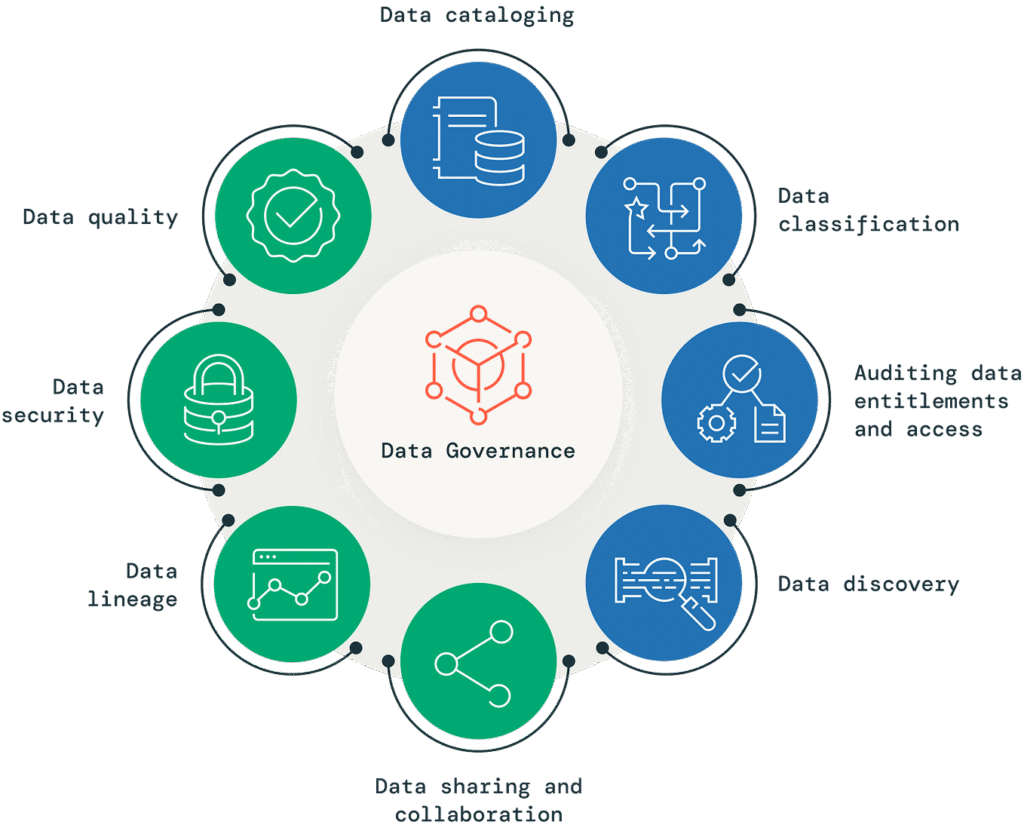
The Intelligence That Matters Most in Healthcare
Nowhere is Data Intelligence more important than in healthcare, where the meaning of data can directly influence regulatory compliance, patient safety, research outcomes, operational performance, and the success or failure of AI initiatives.
What Is Data Quotient?
In the clinical world, data literacy cannot be measured simply by how well a manager queries a database or builds a dashboard. Because clinical data directly affects patient care and regulatory compliance, the ultimate test of a healthcare leader’s Data Intelligence is their mastery of semantic consistency.
Semantic Inconsistency
Semantic Ceiling
- New dashboards improve visibility.
- New analytics platforms improve reporting.
- New interoperability initiatives increase data access.
- New AI projects generate excitement.
Organizations that recognize the reality of the Semantic Ceiling are better positioned to succeed in interoperability, analytics, regulatory compliance, and AI. Those that do not, eventually discover that technology alone cannot solve semantic problems.
What High-DQ Organizations Do Differently
Most importantly, increasing an organization's semantic maturity raises the Semantic Ceiling, allowing future investments in analytics and AI to continue generating value.

Why the “FHIR or OMOP?” Question Misses the Point: Semantic Normalization Matters More Than You Think
Why the “FHIR or OMOP?” Question Misses the Point: Semantic Normalization Matters More Than You Think
Healthcare organizations are under increasing pressure to make better use of their data. AI initiatives, research collaboration, operational analytics, patient access requirements, regulatory reporting requirements, and evolving interoperability and compliance frameworks such as the ONC HTI-1 Final Rule, USCDI v3, the 21st Century Cures Act API Conditions of Certification, and Information Blocking regulations under 45 CFR Part 171, all depend on data that is accessible, standardized, and trustworthy.
Two standards frequently appear in these conversations: HL7 Fast Healthcare Interoperability Resources (FHIR) and the Observational Medical Outcomes Partnership Common Data Model (OMOP CDM).
As a result, a common question quickly emerges: “Should we adopt FHIR or OMOP?”. The question appears straightforward on the surface.
A quick search in your favorite search engine on “FHIR vs. OMOP” would reveal that there are dozens of articles explaining the differences between the two standards, and discussing why they are not competing standards, but are rather complementary and solve different use cases. FHIR is commonly associated with interoperability and APIs, while OMOP is commonly associated with analytics and research. In other words, organizations often frame the decision as: “FHIR for operational interoperability; OMOP for analytics”.
While this distinction is generally correct, it also oversimplifies the problem. The reality is more nuanced because many of the perceived differences between FHIR and OMOP are not purely about technical capability. They are the result of ecosystem evolution, community priorities, analytical conventions, and differing assumptions around semantic consistency.
In this article, we don’t intend to repeat the same comparison as those articles; rather, we want to discuss why questions such as “Is FHIR better than OMOP?” miss the most important point about interoperability, and why interoperability initiatives must start with a robust plan to achieve semantic normalization.
By the end of this article, you should have a clearer understanding of why many of the differences between the two standards are reinforced by their surrounding ecosystems, while underneath those ecosystems both standards are fundamentally attempting to organize and standardize healthcare information.
The most important takeaway from this article should be the following:
The long-term success of healthcare interoperability initiatives depends less on whether an organization chooses FHIR or OMOP (or both), and more on the maturity of its semantic normalization strategy.
Organizations with strong terminology governance, semantic harmonization, value set management, and concept normalization can make either ecosystem significantly more effective. In many cases, semantic normalization performed upstream of both FHIR and OMOP becomes the true foundation for scalable interoperability, analytics, and AI.
The Traditional Distinction: What Does the Internet Tell You
At a high level, the industry narrative can be summarized as below:
FHIR, developed by the HL7 International (Health Level Seven International), was designed primarily to improve healthcare interoperability. On the other hand, OMOP, maintained by the OHDSI (Observational Health Data Sciences and Informatics) community, was designed primarily to support observational analytics and standardized research.
FHIR excels at APIs and application integration, system-to-system exchange, operational workflows, and real-time interoperability while OMOP excels at longitudinal analytics, cohort discovery, reproducible research, comparative studies, and population-scale analysis.
This framing implies that FHIR is somehow inherently incapable of supporting analytics. In this article we are taking a closer look at that conclusion.
A Thought Experiment
Imagine an alternate universe in which OMOP doesn’t exist. Would healthcare organizations eventually build analytics ecosystems around FHIR? The answer, almost certainly, is “yes”.
FHIR already contains the overwhelming majority of the clinical information needed for advanced analytics, such as demographics, encounters, conditions, procedures, medications, laboratory results, observations, etc.
Therefore, from a pure information representation perspective, FHIR is fully capable of supporting sophisticated analytical use cases. So why did OMOP become the dominant analytical ecosystem?
The answer is not simply that OMOP contains “better” data. The deeper answer is that OMOP aggressively reduces semantic variability in ways that analytics requires. In other words, while FHIR prioritizes interoperability flexibility, OMOP prioritizes analytical consistency.
That brings us to our first conclusion:
FHIR and OMOP both aim at improving the usability and standardization of healthcare data, and from a pure information representation perspective, they have significant overlap; however, the ecosystems, governance structures, and the prescribed amount of semantic flexibility that have been built around them make their uses different.
In other words, ecosystem maturity should not be confused with intrinsic capability. In a different technological world, it is entirely plausible that FHIR ecosystems would have gradually developed many OMOP-like analytical conventions.
Semantic Variability: The Hidden Problem
The core challenge in healthcare analytics is often not lack of data but rather lack of semantic consistency.
FHIR standardizes healthcare data structures extremely well. However, it intentionally allows significant flexibility in how organizations represent clinical meaning. This flexibility is not a flaw in FHIR’s design; it is a deliberate architectural choice intended to accommodate the diversity and complexity of real-world healthcare workflows. FHIR recognizes that healthcare workflows are heterogeneous, operationally complex, and locally customized while jurisdictional variations exist.
As a result, two organizations can both produce perfectly valid FHIR resources while still differing substantially in terminology usage, value set interpretation, use of coding systems, definition of workflow semantics or the use of local extensions. In other words, while FHIR standardizes resource structures, exchange mechanisms, APIs, and interoperability frameworks, it does not aggressively force semantic convergence. The operational interoperability that FHIR aims at can tolerate this flexibility reasonably well.
In contrast, analytics platforms perform poorly in environments with ambiguous semantics, inconsistent terminology, multiple representational patterns or unstable analytical assumptions. This is exactly where OMOP’s analytical advantages become easier to understand.
The reason OMOP is considered “better for analytics” is not because its data model defines data elements that FHIR doesn’t. A significant portion of OMOP data elements also exist in FHIR. We believe OMOP’s greatest contribution is its aggressive normalization of analytical semantics.
OMOP achieves this “reduced variability” through standardized concepts, controlled vocabularies, normalized domains, and stable analytical conventions.
The “Right” Data Flow Architecture
There is growing interest in FHIR-to-OMOP mapping to transform healthcare data from FHIR to the OMOP Common Data Model. A simplified data flow architecture for such initiatives can be summarized as:
- EHR Data --> FHIR --> OMOP CDM (Analytics)
The FHIR to OMOP Implementation Guide [https://build.fhir.org/ig/HL7/fhir-omop-ig/en/] has been developed to address such needs and aims to reduce the per-implementation cost and effort of building these pipelines, increase the speed with which new organizations can bring FHIR-sourced data into OMOP, and improve the quality and consistency of the data that results.
This guide discusses important implications related to the above-mentioned conversion approach, including fidelity loss, information loss, relationship loss, and accuracy loss.
Because terminology mapping and normalization are core Apelon services, we know that the problems described above are inherent in virtually any mapping exercise. We also know firsthand that:
Organizations with mature semantic governance can dramatically simplify transformation pipelines between ecosystems. In many cases, the success of FHIR-to-OMOP implementations depends less on the mapping engine itself and more on the consistency of upstream semantics.
Therefore, we argue that instead of treating semantic harmonization as a downstream cleanup exercise, it should be viewed as an upstream strategic capability.
By semantic governance, we mean the following:
- Terminology Governance
- Value Set Management
- Normalized Clinical Concepts
- Enterprise Vocabulary Stewardship
- Semantic Interoperability
- Mapping Governance
- Standards Alignment
When strong semantic normalization exists upstream, FHIR implementations become more analytically consistent and OMOP transformations become easier and more reliable. This also dramatically improves cross-system interoperability and longitudinal consistency while reducing mapping complexity. Therefore, we advocate for the following more advanced data flow architecture:
- EHR --> Terminology/Semantic Harmonization --> FHIR and/or OMOP CDM
In this model, FHIR and OMOP become downstream consumers of semantic consistency rather than the primary creators of it.
This leads to one of the most important conclusions in this discussion:
As organizations improve semantic maturity, the practical distinction between FHIR and OMOP becomes less rigid. When an organization implements “semantic governance” as described above, FHIR analytics environments become more consistent, more reproducible, easier to govern and easier to operationalize for AI.
At that point, the main differences between FHIR and OMOP become more about organizational strategic considerations such as ecosystem tooling, analytical conventions, query optimization, cohort frameworks, or relational vs graph paradigms.
This Matters for AI
Many healthcare organizations are now pursuing AI initiatives. We believe the success of such initiatives has a strong correlation with semantic maturity of the organization. We base this argument on the fact that semantic inconsistency significantly affects the quality of training in machine learning algorithms. For example, if similar clinical concepts are coded differently, value sets vary across departments, or terminology mappings are poorly maintained, machine learning models are significantly more likely to produce unreliable or non-generalizable outcomes.
In other words:
Strong enterprise-level semantic governance is the true foundation for trustworthy AI.
How Apelon Helps Organizations Achieve Interoperability
We help organizations strengthen the foundational semantic layer beneath both FHIR and OMOP. Rather than viewing interoperability and analytics as isolated initiatives, organizations can rely on Apelon to help them develop robust, enterprise-level semantic governance capabilities that support interoperability, analytics, and AI readiness.
Apelon has significant expertise in:
- Clinical Terminology Management
- Semantic Interoperability
- Vocabulary Governance
- Concept Normalization
- Healthcare Data Harmonization
- Standards Alignment
- Terminology Stewardship
Connect with Apelon at HIMSS 2026
Apelon at HIMSS 2026: Strengthening Healthcare Interoperability at Scale
Apelon is pleased to announce our participation in HIMSS 2026, taking place March 9–12, 2026, in Las Vegas, Nevada, at the Venetian Convention & Expo Center.
As healthcare organizations continue to face mounting interoperability, regulatory, and data standardization demands, Apelon remains committed to delivering scalable terminology management solutions that power accurate, standards-based data exchange across the healthcare ecosystem.
What We’re Focused on at HIMSS 2026
Interoperability isn’t just “data exchange.” The real work begins when organizations try to make exchanged data meaningful, consistent, and usable across workflows, analytics, quality reporting, and patient care.
At HIMSS 2026, we’re focused on the practical side of interoperability, including:
1) Terminology Governance That Doesn’t Collapse Under Scale
A lot of teams can “do mapping.” Fewer can keep it governed, versioned, auditable, and stable over time, especially when multiple standards and stakeholders collide.
2) Normalization Across Standards and Code Systems
Healthcare organizations are still dealing with cross-domain complexity: labs, procedures, diagnoses, medications, and the downstream reporting requirements that depend on clean, standardized coding.
3) Faster Updates With Less Risk
New versions of standards don’t wait for your internal release cycle. We’ll be discussing how teams can operationalize ongoing updates without breaking downstream systems.
Who Should Meet With Apelon?
If your organization is dealing with any of the following, a short meeting is worth it:
Providers working to improve data quality and reduce workflow friction caused by inconsistent coding
Payers and Health IT vendors needing reliable terminology services to support exchange, analytics, and reporting
Government and research organizations requiring rigorous governance, traceability, and standards alignment

Where to Find Us
We won’t be exhibiting with a booth. Instead, our team will be onsite and available for pre-scheduled meetings during the event at the Venetian Convention & Expo Center and nearby.
Benefits of Connecting with Apelon at HIMSS 2026
HIMSS is one of the few times each year when you can get the right people in the same conversation, clinical, technical, and business. If you’re trying to move interoperability from “initiative” to “operating capability,” we’re happy to talk through:
What’s breaking today
What you’re trying to standardize
What systems or standards you’re supporting
What “success” needs to look like in real workflows
Let’s advance healthcare interoperability together!
Learn more and Join Us at HIMSS 2026!
Want to connect face-to-face? Reach out to info@apelon.com and we will be excited to set up a meeting at the conference or offsite.

Apelon at AMIA 2025
Apelon at AMIA 2025: Driving Data Standards in Atlanta

Why AMIA 2025?
Hosted by the American Medical Informatics Association, the AMIA Annual Symposium is the premier event for professionals advancing the science and application of informatics in health and biomedicine. It convenes stakeholders across academia, research, public health, clinical care, and health IT.
Key themes at AMIA include:
Semantic interoperability
Standardized clinical data modeling
AI/ML applications in health systems
Translational research informatics
Health data governance

Why Meet Apelon at HIMSS?
At Apelon, we deliver enterprise-grade terminology infrastructure that supports data standardization, exchange, and analytics. Our solutions are designed for organizations that need precise, scalable control over terminologies like:
SNOMED CT
LOINC
ICD-10-CM
RxNorm
And custom ontologies or local code systems.
Whether you're building clinical decision support, managing population health data, or deploying FHIR-native terminology services, Apelon provides the tools to structure and standardize your information model.
We work with:
Research institutions conducting multi-site trials.
Government agencies enforcing terminology compliance.
Health IT vendors building interoperable solutions.
Providers integrating data across EHRs.
Where to Find Us
Benefits of Connecting with Apelon at HIMSS 2025
Learn how to deploy robust terminology services across your research or clinical infrastructure.
Get answers on real-world FHIR TS implementation with multi-code system support.
Discuss collaboration opportunities for data harmonization, modeling, or migration.
Preview our upcoming platform enhancements designed to meet evolving regulatory and research demands.
We look forward to engaging with leaders in informatics and health data science at AMIA 2025 in Atlanta. Let’s explore how trusted terminology infrastructure can advance precision, interoperability, and innovation.
Learn more and Join Us at AMIA 2025!

Apelon Joins Winning Team on VA’s IHT 2.0 Contract to Power Veteran-Centered Care
Apelon Joins Team Prometheus Federal Services (PFS) to Drive the Future of Veteran Healthcare
We’re proud to announce that Apelon has been selected as a team member on TEAM Prometheus Federal Services (PFS) for the Department of Veterans Affairs Integrated Healthcare Transformation (IHT) 2.0 contract.
This award is more than a milestone. It’s a mandate — to bring the full weight of our standards and terminology expertise to serve those who’ve served our nation.

A National Commitment to Veteran-Centric Innovation
Through the IHT 2.0 vehicle, VA Program Offices now have access to a pool of Fully Mission Capable Veteran Integrated Teams (VITs), handpicked for their proven ability to deliver healthcare transformation at scale. The program spans four key functional categories:
Health System Transformation and Innovation
Implementation and Operations Support
Healthcare Business Enabling Services
Health Informatics
Apelon’s contributions will be concentrated in two areas that are at the core of how health information flows and functions: 4S (Standards & Interoperability) and 4X (Terminology).
Where Apelon Leads: The Backbone of Data That Delivers Care
Standards & Interoperability
When we say “interoperability,” we don’t mean a buzzword. We mean the ability for a Veteran’s health record to be accurate, complete, and accessible — no matter where they are or who’s treating them. Apelon will help drive the VA’s standards adoption and FHIR alignment, so data becomes seamless, secure, and actionable.
Terminology
Every diagnosis. Every medication. Every clinical note. It all depends on structured, standardized terminology.
Under IHT 2.0, Apelon will maintain and evolve the VA’s national terminology infrastructure using our DTS Editor and TermManager tools. This includes ongoing mapping of VistA records to standardized vocabularies like SNOMED CT, RxNorm, and LOINC — ensuring that data is not only interoperable, but semantically precise.
Critically, Apelon will support the VA’s New Term Rapid Turnaround (NTRT) process — a streamlined workflow designed to meet the real-time content needs of front-line clinical staff. This process allows VistA users to request new or modified terminology concepts directly. Apelon will:
Review incoming requests from clinicians and data users
Analyze clinical intent and modeling needs
Create new concepts or relationships consistent with SNOMED CT modeling guides
Add approved terms to the relevant standardized domain
Prepare submissions to Standards Development Organizations (SDOs) as needed
By enabling rapid, structured content creation, NTRT ensures that emerging clinical scenarios and evolving Veteran needs are reflected in the terminology system without delay.
Apelon is ensuring Veterans get the right care, at the right time, powered by the right data.
More Than a Contract. A Mission We Stand Behind.
As a VIT member, Apelon is committed to:
- Delivering Veteran-first solutions that improve outcomes and experiences.
- Enhancing VHA services through agile, standards-based digital infrastructure.
- Partnering with national leaders in Veteran innovation and care delivery.
- Supporting the VA’s sacred mission to serve those who served us.
About Team Prometheus Federal Services (PFS)
PFS is a Service Disabled Veteran Owned Small Business Joint Venture that was founded to assist federal clients.
PFS is the Managing Venturer of the Titan Alpha Joint Venture (JV) that was founded with Atlas Research LLC.
Apelon is proud to contribute as a strategic partner to this all-Veteran-led team dedicated to advancing the health and well-being of those who wore the uniform.
What’s Next?
Apelon will be working closely with VA stakeholders and PFS partners to deliver high-impact, high-integrity solutions that shape the next era of Veteran healthcare. Follow us for more updates as this important mission unfolds.

Apelon at HIMSS 2025!
Apelon at HIMSS 2025: Advancing Healthcare Interoperability
Apelon is excited to announce our participation in HIMSS 2025, taking place in Las Vegas from March 3-6! As a leader in healthcare terminology management and interoperability solutions, we are eager to connect with industry professionals, innovators, and partners at this premier healthcare technology event.

Why HIMSS 2025?
HIMSS (Healthcare Information and Management Systems Society) is one of the most influential conferences in the health IT industry, bringing together experts from across the globe to discuss the latest trends, challenges, and advancements in healthcare technology. This is where decision-makers, IT leaders, and clinical professionals gather to shape the future of healthcare.

Why Meet Apelon at HIMSS?
Interoperability remains a critical challenge in healthcare. At Apelon, we specialize in terminology management solutions that help healthcare organizations standardize data, ensure seamless system integration, and improve patient care outcomes. Our solutions empower:
Healthcare Providers to streamline clinical workflows and improve data quality.
Payers & Health IT Vendors to enhance data exchange and analytics.
Government & Research Institutions to ensure compliance with industry standards.
Where to Find Us
While we won’t have a booth at HIMSS 2025, our team will be actively walking the floor, engaging in discussions, and meeting with industry leaders. If you’d like to connect, reach out in advance to schedule a time to chat. We’re eager to discuss how Apelon’s solutions can support your organization and address interoperability challenges.
Benefits of Connecting with Apelon at HIMSS 2025
- Expert Insights: Gain firsthand knowledge from our team on best practices in terminology management.
- In-Person Discussions: Meet with us directly to explore how our solutions can benefit your organization.
- Networking Opportunities: Engage with industry leaders and explore new collaboration possibilities.
We look forward to seeing you in Las Vegas at HIMSS 2025! Stay tuned for more updates on our participation and special events. In the meantime, feel free to contact us to schedule a meeting or learn more about our solutions.
Let’s advance healthcare interoperability together!
Learn more and Join Us at HIMSS 2025!
Want to connect face-to-face? Reach out to info@apelon.com and we will be excited to set up a meeting at the conference or offsite.


